Many people picture a security guard as someone who sits at a desk or walks a hallway. In reality, the job is far broader, and it is shaped by Florida law. Today’s officers are trained professionals who deter crime, manage access, respond to emergencies, and document everything that happens on site.
Florida is also one of the busiest security markets in the country, from Orlando theme park corridors to Tampa Bay ports, HOA communities, and construction zones. If you hire protection or plan to work in the field, you need to understand what a guard can do, what authority a guard has, and where the legal limits begin. This guide breaks it down in plain language.
What Is a Security Guard in Florida?
Under Chapter 493 of the Florida Statutes, private security is regulated by the Florida Department of Agriculture and Consumer Services, Division of Licensing. Unarmed officers must hold a Class D license, which requires 40 hours of training at a licensed school. Officers who carry a firearm must also hold a Class G statewide firearm license, which requires 28 hours of firearms training. The company itself must hold a Class B agency license.
This licensing structure matters because it defines who may legally perform security work. A licensed officer is a trained private professional, not a law enforcement officer. That difference explains almost every rule discussed below.
Core Duties of a Security Guard
The heart of the job is to observe, deter, and report. A visible, alert officer discourages trespassing, theft, vandalism, and disorder before they happen. Day to day, that usually means patrolling a property on foot or by vehicle, checking doors and gates, and watching for unusual activity.
Most officers also handle access control. They verify visitors, check credentials, manage entry points, and keep logs of who comes and goes. At hotels, offices, and gated communities, this is often the most important daily task.
Officers respond to alarms, medical emergencies, fire alerts, and safety hazards. They call 911, guide first responders to the right location, and help keep the scene calm. When fire systems are offline, certified fire watch officers walk the property on a set schedule and record what they find.
Finally, every officer writes reports. Clear, timely incident reports protect the client, support insurance claims, and help police when a crime occurs. Many modern providers use mobile reporting apps and GPS-verified patrol tracking so clients can see activity in real time.
Duties by Property Type
A guard’s job changes with the site. Residential security services in Florida focus on gate control, community patrols, parking enforcement, and resident-friendly communication, especially in HOA and CDD communities. Residential security services must balance firmness with courtesy.
Florida commercial security services cover offices, warehouses, shopping centers, and industrial sites. Duties include lobby control, after-hours checks, loss prevention, and escorting staff to vehicles. Construction security services focus on protecting equipment, materials, and tools from theft, often with night coverage and surveillance towers.
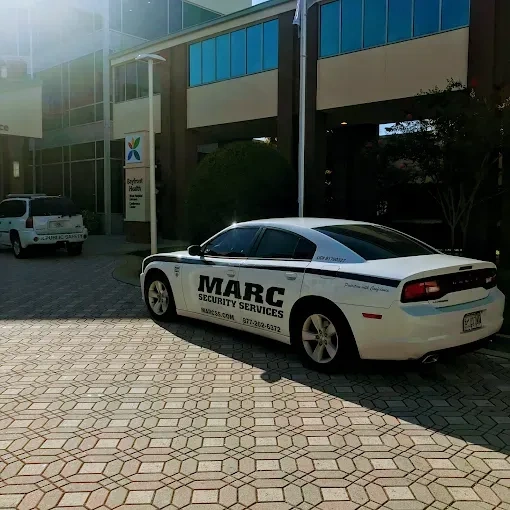
Event security services require crowd management, bag checks, credential checks, and emergency planning. Large venues often borrow ideas from Olympic security planning, such as layered perimeters, controlled entry lanes, and clear communication plans. Between fixed posts, mobile security patrols provide random, visible checks that cover wide areas and multiple properties.
What Authority Does a Security Guard Have in Florida?
In general, a Florida security guard has the same legal rights as any private citizen, along with whatever authority the property owner grants. That means an officer can enforce property rules, ask people to leave, issue trespass warnings on behalf of the owner, and call law enforcement when someone refuses.
Guards may also use reasonable force in situations where any person could legally defend themselves or others under Florida’s justifiable use of force laws in Chapter 776. This is not a special police power. It is the same standard that applies to every citizen, and it is judged very strictly after an incident.
In retail settings, Florida law allows a merchant or the merchant’s employee or agent to detain a person for a reasonable time when there is probable cause to believe retail theft occurred. Officers working for stores are usually trained on this narrow rule. Outside of that and similar situations, detention is risky and should be left to police whenever possible.
The Limits of a Security Guard’s Power
A licensed officer is not a police officer. Guards cannot make traffic stops, cannot stop and frisk people, and cannot search a person or belongings without consent. They cannot impersonate law enforcement, and their uniforms and vehicles must not look like those of police.
Guards also cannot carry a firearm unless they hold a Class G license and are working an armed post. Even then, an armed officer has no greater authority to detain or arrest than an unarmed one. The firearm is a tool for the same defensive situations that apply to any citizen, and misuse can lead to criminal charges and loss of license.
Florida officers must also follow written post orders, which define what the client wants and does not want. If an officer steps outside those instructions or outside the law, the company, the client, and the officer can all face liability. This is why training, supervision, and insurance are so important.
Armed vs. Unarmed Duties
The daily duties of armed and unarmed officers are very similar. The difference is the level of risk at the site. Armed officers are usually placed where there is cash, high-value assets, or a history of violent incidents, while unarmed officers serve most offices, hotels, schools, and residential properties. A risk assessment should decide which is right, not habit or fear.
One Standard Across Cities and States
Professional standards should not change when a property sits in a different market. Marc Security Services supports Orlando security guard services for Central Florida and also serves Tampa Bay, Miami, and North Carolina.
For property owners comparing a Tampa security company, the same duty and authority rules apply. Those searching for security guard companies in Tampa, a security guard service Tampa businesses trust, or security services Tampa wide should confirm licensing and training. Private security Tampa clients often need armed security Tampa teams for high-risk sites, while others need security guards in Tampa or security guards Tampa FL for offices, retail centers, and apartment communities. Construction security services Tampa FL are also in high demand as the region keeps growing. You can learn more about the Tampa Bay team here. Owners with sites in the Carolinas can rely on a North Carolina Security Guard team that follows the same professional standards.
Conclusion
A Florida security guard does much more than stand at a post. Officers patrol, control access, respond to emergencies, and write reports that protect clients. At the same time, their authority is limited to that of a private citizen plus the rights granted by the property owner. They are not police, and the best officers know exactly where their role ends.
Choosing a provider that trains for both duties and limits is the safest path. Marc Security Services offers licensed armed and unarmed officers, mobile patrols, fire watch, event, residential, and construction security across Florida and North Carolina. Call (877) 262-6372, email info@marcss.com, or request a quote to build a plan for your property.
Frequently Asked Questions
1. Do security guards in Florida have the power to arrest?
No special arrest power exists for licensed guards. They have the same rights as any private citizen, which are very limited. In most cases, the safest and expected response is to observe, report, and call law enforcement.
2. Can a Florida security guard search my bag or car?
Not without your consent. A guard cannot force a search. At some events and private properties, bag checks are a condition of entry, and you may choose to comply or leave.
3. What license does a security guard need in Florida?
Unarmed officers need a Class D license, and armed officers also need a Class G statewide firearm license. The security agency must hold a Class B license. All are regulated under Chapter 493 by the Florida Department of Agriculture and Consumer Services.
4. Can security guards use force in Florida?
Only in limited situations, the same way any citizen may defend themselves or others under Florida law. Excessive force can lead to criminal and civil consequences for the officer and the company.
5. What is the difference between a security guard and a police officer?
Police officers are sworn government employees with powers of arrest, investigation, and enforcement. Security guards are licensed private professionals hired to protect specific properties and people, and they work within the rules set by the client and Florida law.